The Impact of Economic Crises on the Spare Parts Industry
1. Changing Demand: Priority on Economy
Recessions and inflation increase production costs, directly impacting the final price of spare parts. This pushes consumers to choose more affordable aftermarket solutions, reinforcing a trend toward extending the lifespan of existing vehicles rather than buying new ones.
2. Supply Chains: Between Resilience and Innovation
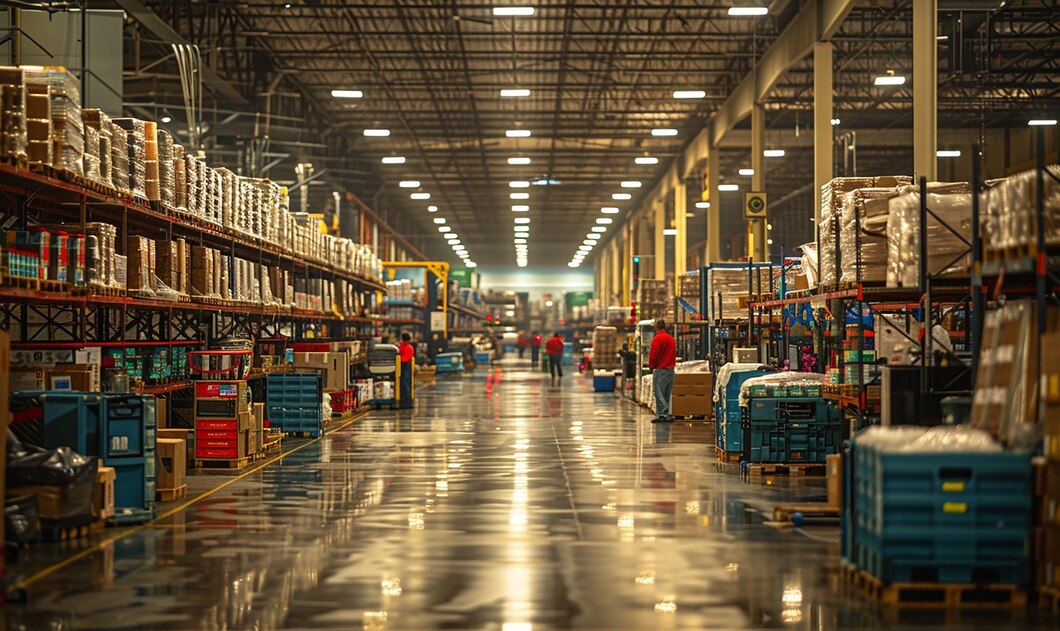
Geopolitical crises and the COVID-19 pandemic have exposed the vulnerability of global supply chains. In response, companies are adopting diversification strategies and digitizing their processes to improve traceability and reduce lead times.
3. Innovation at the Service of Transformation
Technologies like 3D printing are revolutionizing the sector by enabling on-demand manufacturing and reducing logistics costs. The transition to electromobility also represents an opportunity, with specific needs for electric vehicles.
4. Sustainability: A Challenge and an Opportunity
Faced with climate challenges, the spare parts industry is adopting more responsible practices, such as recycling and the circular economy. These strategies help reduce the carbon footprint while meeting the growing expectations of consumers and regulators.
Conclusion
Economic and geopolitical crises are redefining the spare parts industry. Rapid adaptation, innovation, and a commitment to sustainability will be essential to stay competitive in this uncertain environment.





Comments